
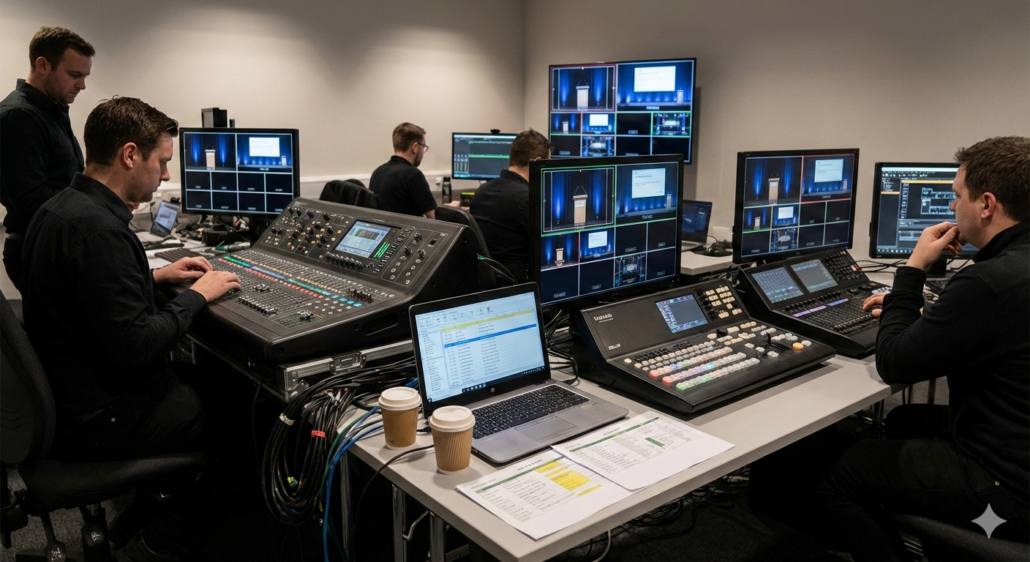
Why Long-Form AV Planning Is Replacing Last-Minute Event Production
Event complexity has increased, but planning timelines often haven’t. Teams that rely on last-minute AV decisions experience more technical issues, higher costs, and limited flexibility.
What Long-Form AV Planning Looks Like
System-Level Thinking
Planning considers displays, audio, control, power, and staffing together.
Content-First Design
Displays are chosen to support content, not the other way around.
Professional AV rental solutions
How Planning Reduces Risk
Fewer Failure Points
Simplified systems are easier to support.
Faster On-Site Adjustments
Pre-planned workflows reduce stress during live events.
Why This Matters Across All Cities
Consistent planning frameworks improve execution regardless of venue or location.
AV Rental Products and Planning
AVR Expos helps event teams plan AV systems early, reducing risk and improving execution across cities and event types.
Conclusion
Successful events begin with thoughtful planning—not last-minute decisions. Long-form AV planning allows event teams to align technology, content, staffing, power requirements, and logistics well before event day, reducing technical risks and improving overall production quality. By developing a comprehensive AV strategy early, organizations gain greater flexibility, better budget control, and a smoother experience for both presenters and attendees.
Frequently Asked Questions
What is long-form AV planning?
Long-form AV planning is the process of developing a complete audio-visual strategy well in advance of an event, including equipment selection, content preparation, staffing, logistics, and contingency planning.
Why is early AV planning important?
Planning early provides more time to coordinate venues, secure equipment, prepare content, schedule technical rehearsals, identify potential risks, and avoid costly last-minute changes.
How does long-form planning reduce technical risks?
It allows AV teams to thoroughly test systems, verify compatibility, implement backup solutions, and streamline workflows before the event begins, reducing the likelihood of technical failures.
Does early AV planning help control event costs?
Yes. Early planning helps secure equipment availability, reduce rush fees, optimize equipment selection, and prevent unexpected expenses caused by last-minute changes.
What should be included in an AV planning process?
A comprehensive plan should cover display technology, audio systems, lighting, power requirements, networking, presentation content, staffing, equipment logistics, venue coordination, and backup procedures.