
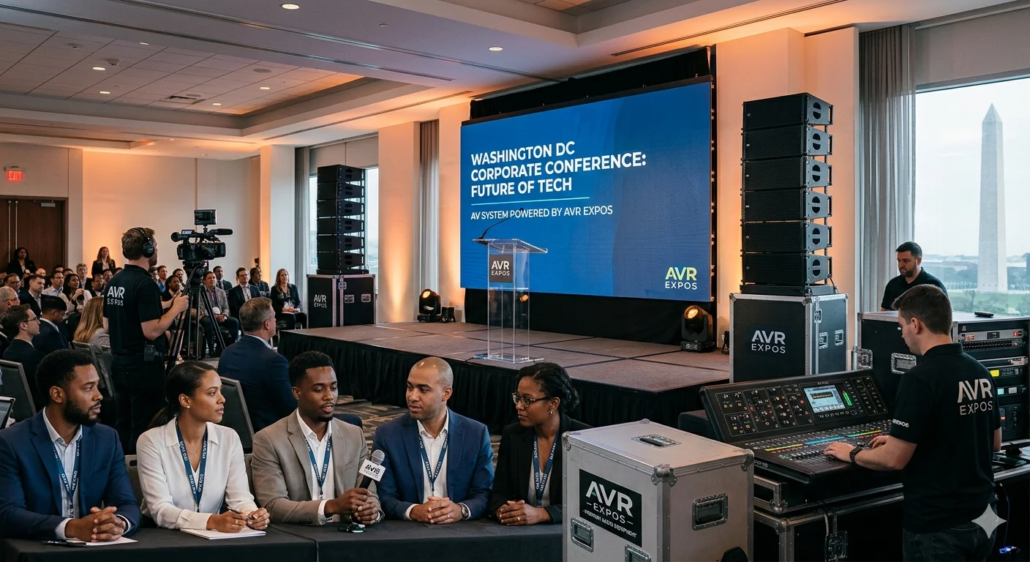
How Event Technology Planning Improves Conference Execution in Washington DC
Washington DC hosts some of the nation’s most influential conferences, government meetings, corporate events, policy forums, and association gatherings. These events often involve high-profile speakers, large audiences, complex schedules, and strict expectations for professionalism and reliability.
With so many moving parts, successful conference execution depends on more than selecting the right venue. Effective event technology planning plays a critical role in ensuring presentations run smoothly, attendees remain engaged, and organizers can manage every aspect of the event without disruptions.
What Event Technology Planning Includes
Comprehensive event technology planning involves coordinating all technical elements required for a successful conference. Rather than treating each component separately, planners develop an integrated strategy that supports communication, presentations, and attendee engagement.
Key components typically include:
AV Coordination
Audio-visual systems must work together seamlessly to support presentations, keynote sessions, breakout meetings, and hybrid participation. Proper coordination ensures every piece of equipment is compatible and functioning correctly throughout the event.
Display Technology
Visual communication is a major part of modern conferences. Event technology planning includes selecting the right display solutions, screen placement, content visibility, and audience viewing angles.
Audio Systems
Clear and reliable sound is essential for attendee engagement. Professional planning helps ensure speakers, microphones, mixers, and room acoustics are optimized for every session.
Redundancy Systems
Backup equipment and contingency plans help protect conferences from unexpected technical failures. Redundancy planning minimizes risks and keeps events running smoothly even when challenges arise.
Why DC Conferences Require Advanced Coordination
Washington DC conferences often involve government agencies, trade associations, corporate executives, policymakers, and international attendees. These audiences expect professional execution, reliable technology, and flawless communication.
The complexity of these events requires detailed planning, especially when multiple sessions, simultaneous presentations, and hybrid participation are involved. Event organizers must coordinate presenters, technical teams, venue staff, and content delivery systems while maintaining strict schedules.
Professional Washington DC AV conference services help organizations manage these challenges by providing the expertise and technology infrastructure necessary for successful conference execution.
How Visual Systems Improve Communication
Visual communication is one of the most important aspects of conference engagement. Attendees rely on presentation slides, videos, live feeds, data visualizations, and branding elements to absorb information effectively.
Modern conferences increasingly use large-scale conference displays to ensure content remains visible throughout the venue. High-quality LED video walls and presentation screens improve audience engagement by providing clear visuals regardless of room size.
Effective visual systems help:
- Improve audience attention
- Enhance message retention
- Support live demonstrations
- Display branding and sponsor content
- Improve visibility for large audiences
When visual technology is planned correctly, presenters can communicate more effectively and attendees enjoy a more engaging conference experience.
Audio Systems and Conference Execution
Even the most impressive visual presentation can fail if attendees cannot clearly hear the speaker. Audio quality directly affects audience engagement, comprehension, and overall satisfaction.
Professional conference audio systems ensure that every participant can hear presentations clearly, regardless of venue size or seating location.
Event technology planning typically includes:
- Wireless microphone systems
- Podium microphones
- Speaker placement optimization
- Audio mixing and monitoring
- Acoustic management
- Recording and streaming support
By addressing audio requirements early in the planning process, organizers can avoid common issues such as feedback, uneven volume levels, and poor speech intelligibility.
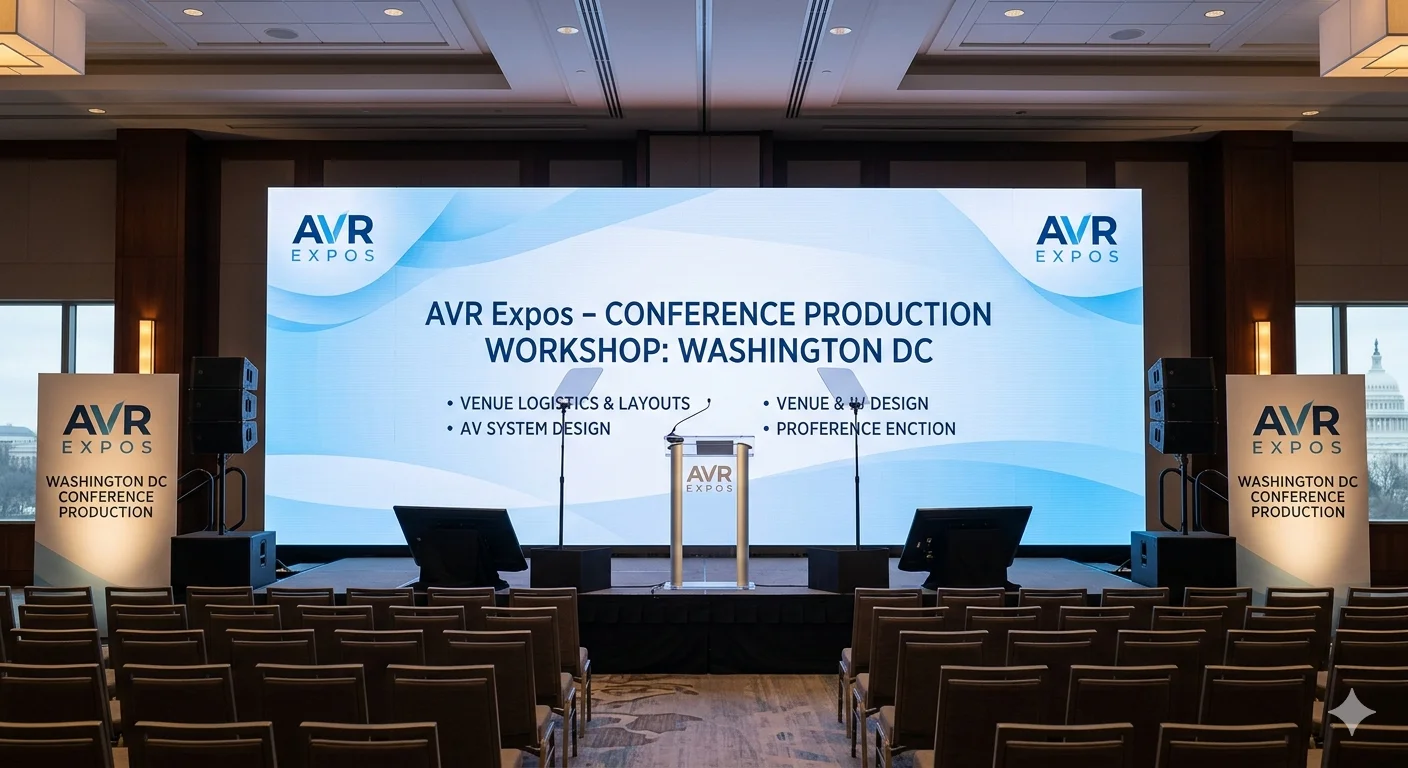
Why Redundancy Planning Matters
Technical failures can quickly disrupt even the most carefully organized conference. A malfunctioning microphone, damaged presentation file, or display failure can impact schedules and attendee experience.
Redundancy planning reduces these risks by preparing backup solutions for critical systems.
Common backup measures include:
- Spare microphones
- Backup laptops
- Secondary presentation files
- Duplicate display connections
- Backup internet connectivity
- Alternative power solutions
Having contingency plans in place ensures conferences can continue operating smoothly if unexpected technical issues occur.
Presentation Management and Content Coordination
Conference presentations often involve multiple speakers, various file formats, embedded videos, and complex schedules. Without proper management, content-related issues can create delays and frustration.
Event technology planning includes coordinating all presentation materials before the event begins. Technical teams review files, verify compatibility, test multimedia content, and establish presentation workflows.
Benefits of presentation management include:
- Faster speaker transitions
- Reduced technical errors
- Consistent branding
- Improved schedule adherence
- Enhanced presenter confidence
Well-organized content management helps maintain professionalism and keeps conferences running on schedule.
Integrated AV Systems and Attendee Experience
Today’s conferences rely on multiple technologies working together simultaneously. Audio, video, lighting, displays, streaming platforms, and presentation systems must operate as one cohesive solution.
Organizations often invest in integrated AV production support to create a seamless attendee experience. Integrated systems improve communication between technical components and simplify event management for organizers.
Benefits include:
- Better attendee engagement
- Improved presentation quality
- Streamlined event operations
- Reduced technical complications
- Enhanced hybrid event capabilities
When all systems work together efficiently, attendees can focus on the content rather than technical distractions.
Common Conference Technology Mistakes
Many conference challenges can be traced back to inadequate technology planning. Common mistakes include:
Waiting Too Long to Plan
Late planning limits equipment availability and reduces opportunities for testing and troubleshooting.
Underestimating Audio Requirements
Poor audio quality remains one of the most common attendee complaints at conferences.
Ignoring Backup Systems
Failing to prepare for equipment failures can lead to unnecessary disruptions.
Choosing Displays That Are Too Small
Attendees should be able to clearly view content from every seat in the venue.
Skipping Technical Rehearsals
Testing presentations, microphones, and displays before the event helps identify potential issues early.
Avoiding these mistakes can significantly improve conference outcomes and attendee satisfaction.
Why DC Conferences Prioritize Technology Strategy
Washington DC events often involve high-level stakeholders, government representatives, industry leaders, and media coverage. The expectations for professionalism and execution are exceptionally high.
A strategic approach to event technology planning helps organizations:
- Improve communication
- Enhance attendee engagement
- Reduce operational risks
- Support hybrid participation
- Maintain event schedules
- Deliver professional presentations
As conferences continue to evolve, technology planning has become an essential component of successful event execution in Washington DC.
Frequently Asked Questions
Why does technology planning matter for conferences?
Technology planning ensures all audio, visual, presentation, and communication systems work together efficiently. Proper planning reduces technical issues and improves the overall attendee experience.
What systems are typically included in event technology planning?
Event technology planning usually includes audio systems, video displays, presentation management, LED screens, live streaming solutions, networking infrastructure, and backup equipment.
Why do conferences need backup systems?
Backup systems help prevent disruptions caused by equipment failures, connectivity issues, or presentation problems. They ensure conferences can continue running smoothly when unexpected challenges occur.
What are the benefits of LED displays at conferences?
LED displays provide exceptional brightness, visibility, and scalability. They help audiences clearly view presentations and visual content even in large venues.
What are the most common AV mistakes at conferences?
Common mistakes include inadequate audio planning, insufficient display visibility, lack of backup equipment, poor presentation management, and failing to conduct technical rehearsals before the event.
Plan Your Washington DC Conference with Confidence
Successful conferences require more than great speakers and a well-designed agenda. Strategic event technology planning ensures every presentation, communication channel, and attendee interaction works together seamlessly.
Plan your Washington, DC conference with integrated AV and event technology systems designed for smooth execution.