How to Plan Secure AV for Government and Policy Events in Washington DC
Government and policy events operate under a different set of rules than standard corporate conferences. In Washington DC, event planners must balance clarity, visibility, and professionalism with security, neutrality, and compliance. AV decisions that work in a commercial setting can become liabilities when applied to policydriven environments.
From content security to audio containment, the success of a government or policy event often hinges on how intentionally the AV system is planned. This guide outlines how to approach AV strategy for DC-based events without overbuilding, overspending, or introducing unnecessary risk.
Why Government Events Require a Different AV Mindset
Policy-focused environments demand restraint and reliability. The AV system should support communication without becoming the focal point.
Key considerations include:
- Controlled content distribution
- Neutral visual presentation
- Clear, intelligible audio without spillover
- Redundancy and fail-safes
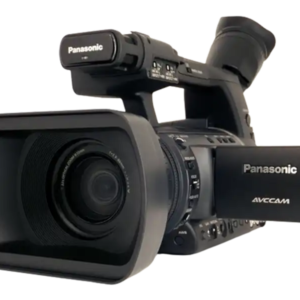
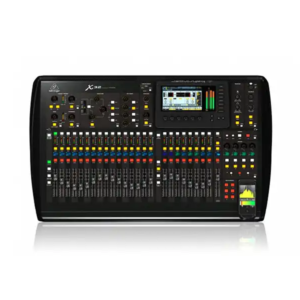
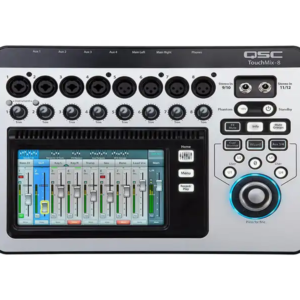
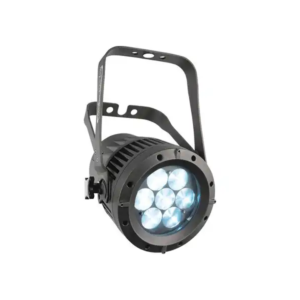
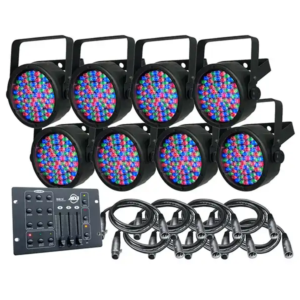
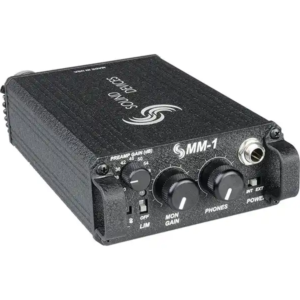
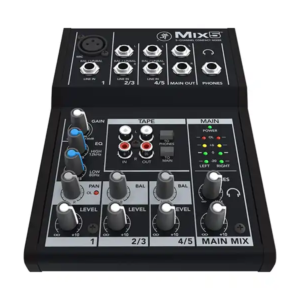
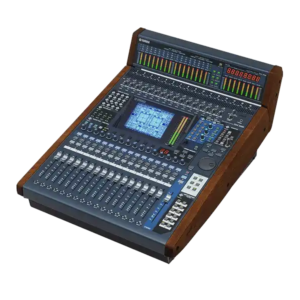
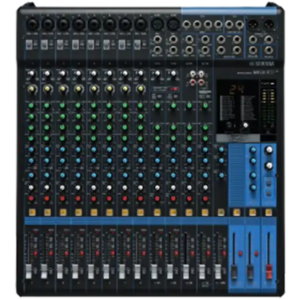
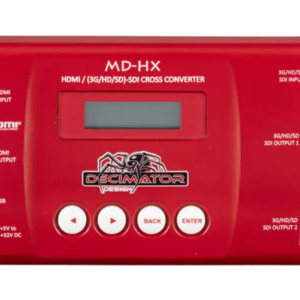
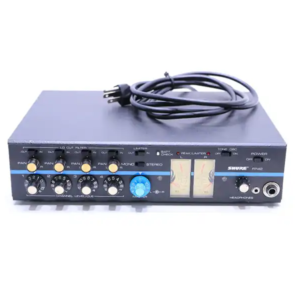
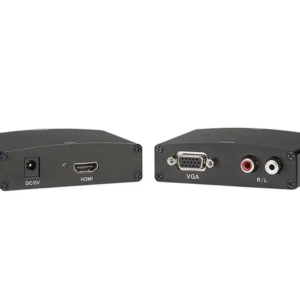
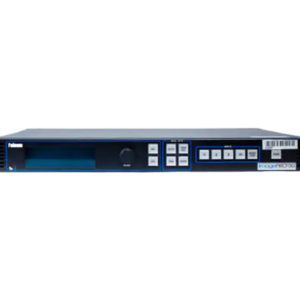
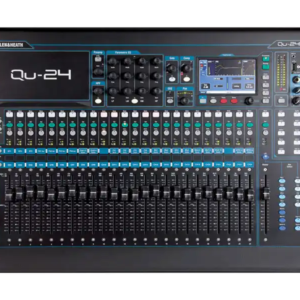
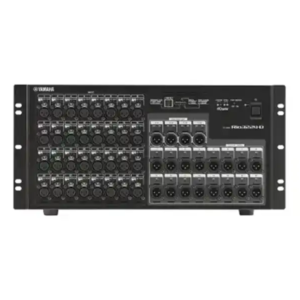
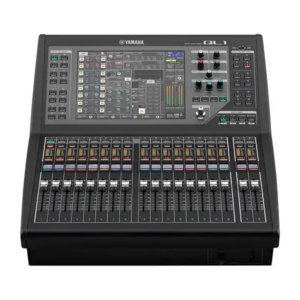
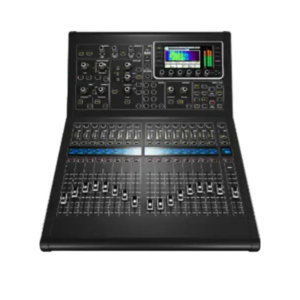
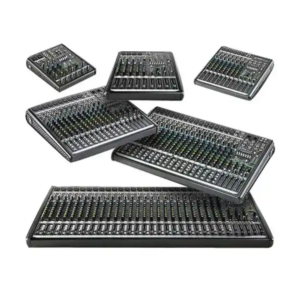
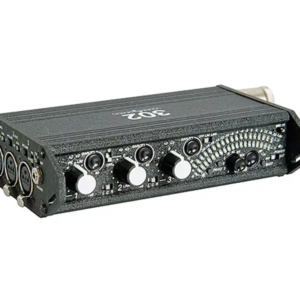
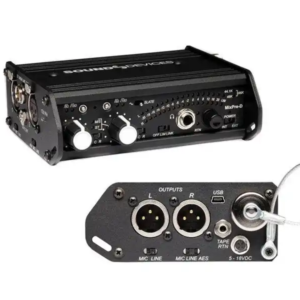
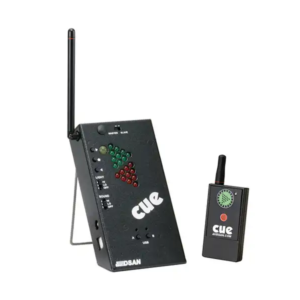
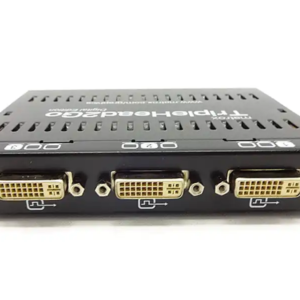
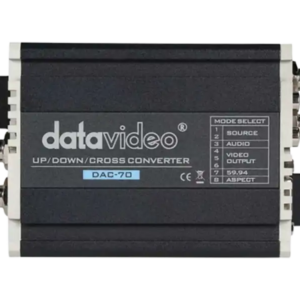
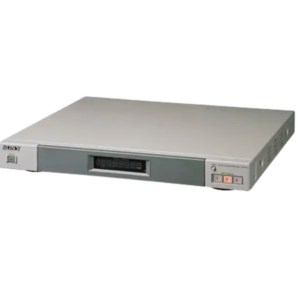
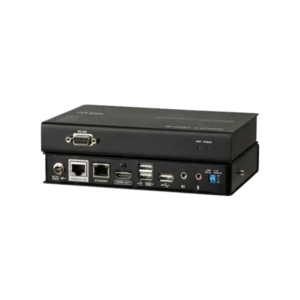
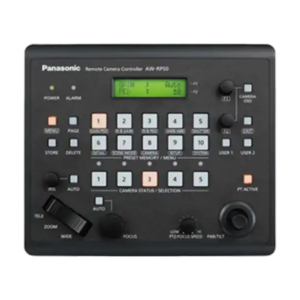
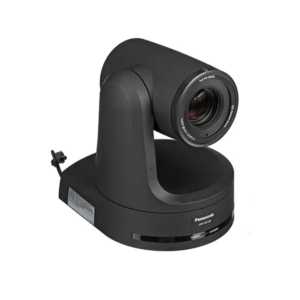
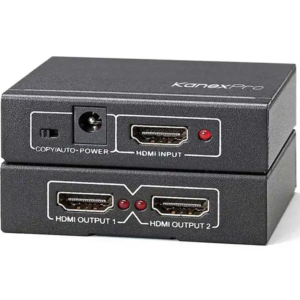
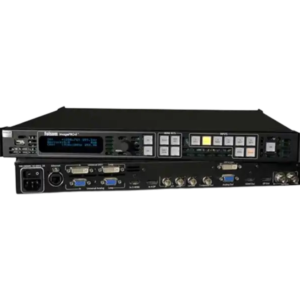
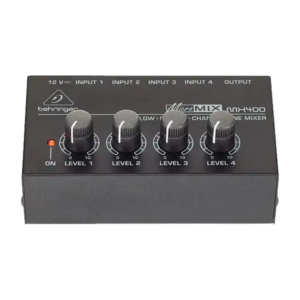
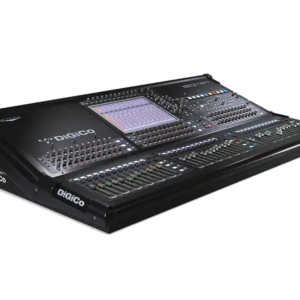
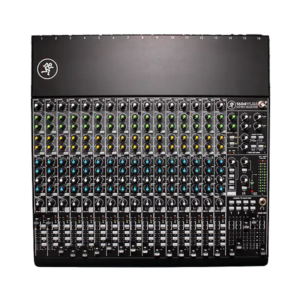
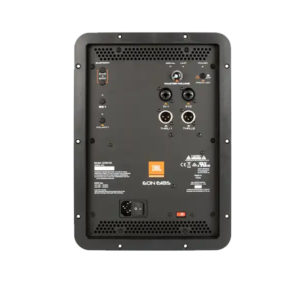
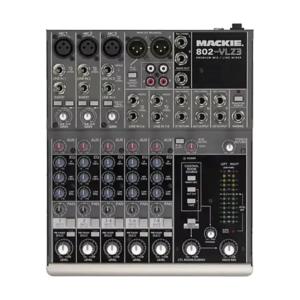
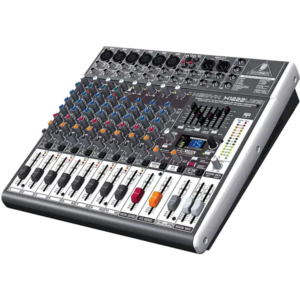
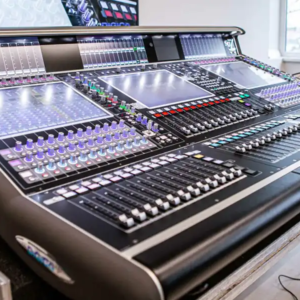
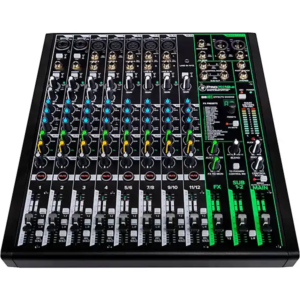
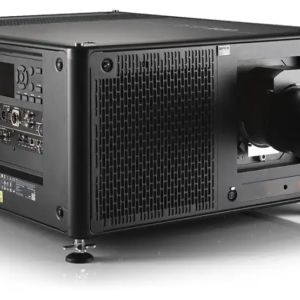
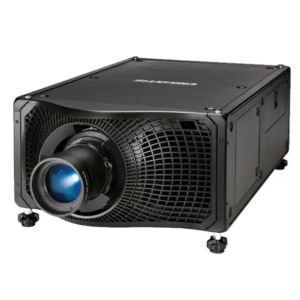
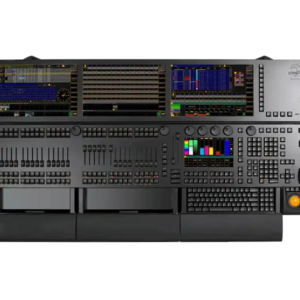
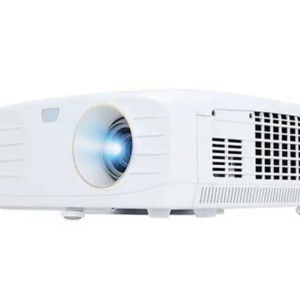
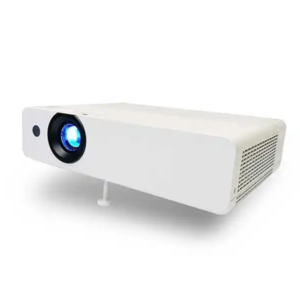
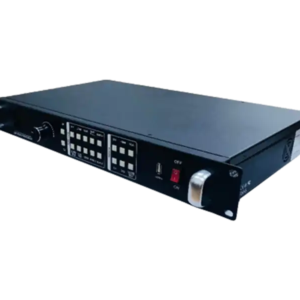
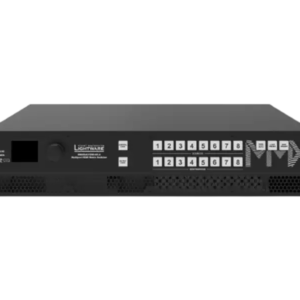
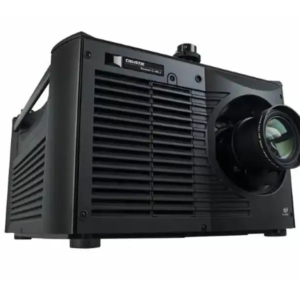
For planners sourcing professional AV equipment for conferences
Display Strategy for Policy and Government Events
LED Walls vs Monitors in Secure Environments
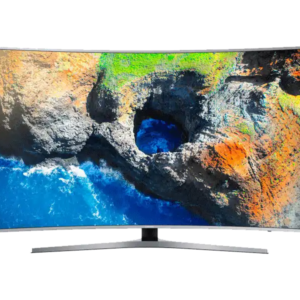
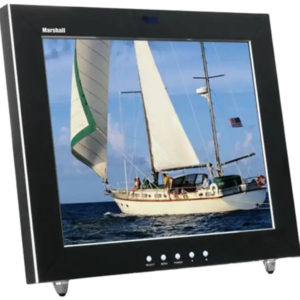
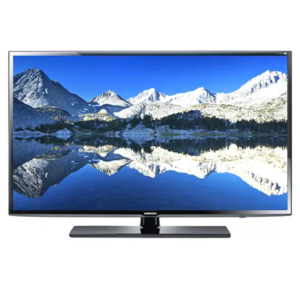
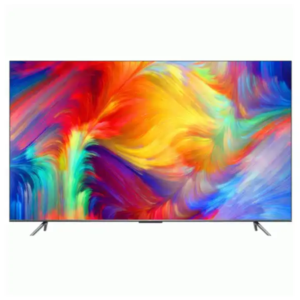
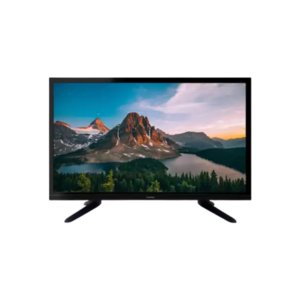
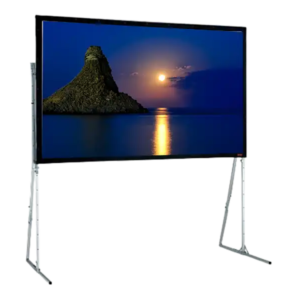
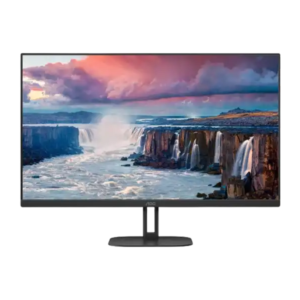
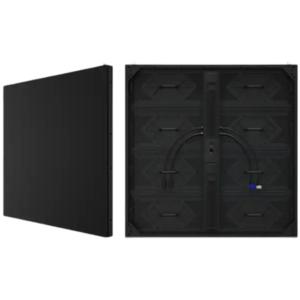
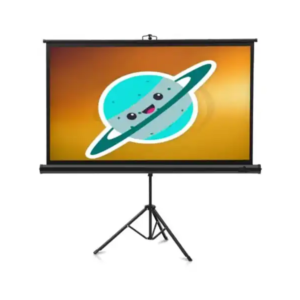
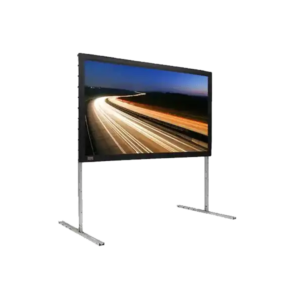
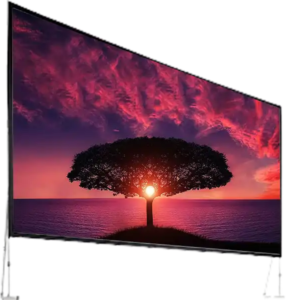
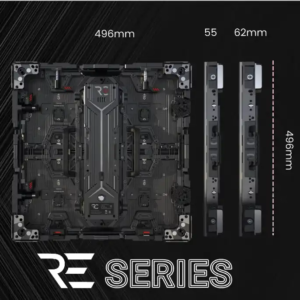
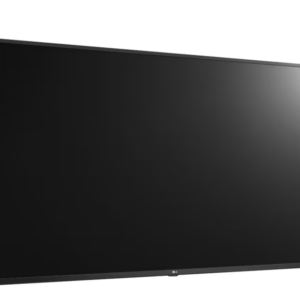
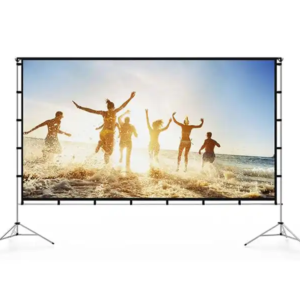
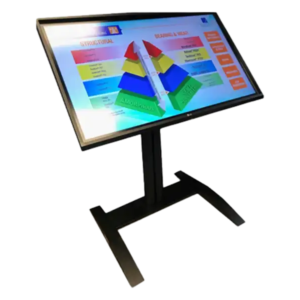
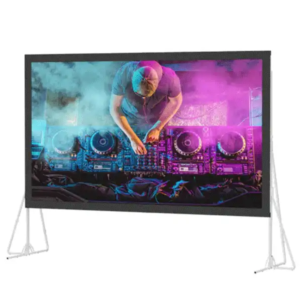
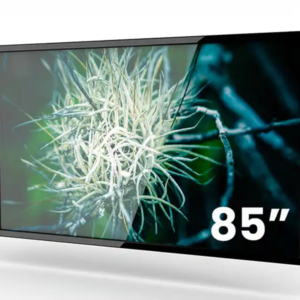
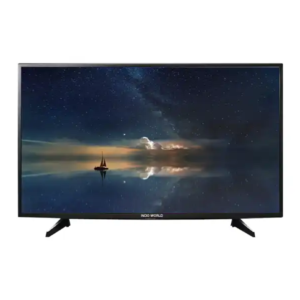
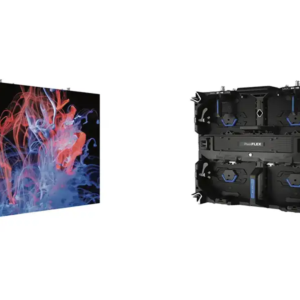
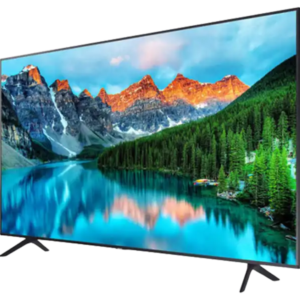
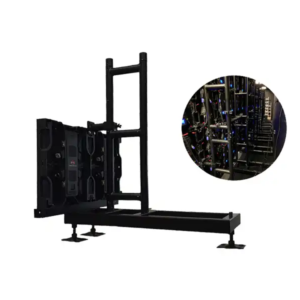
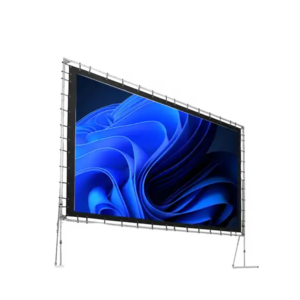
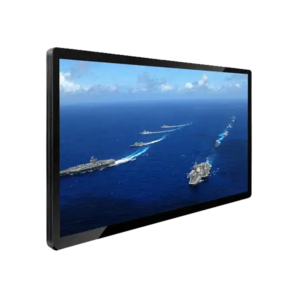
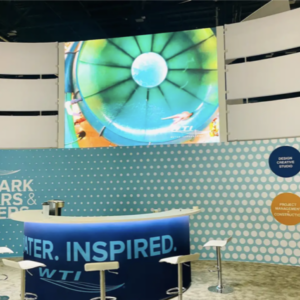
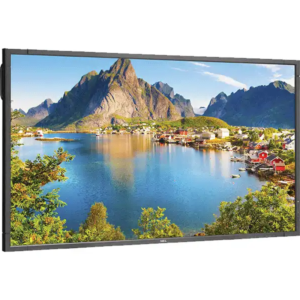
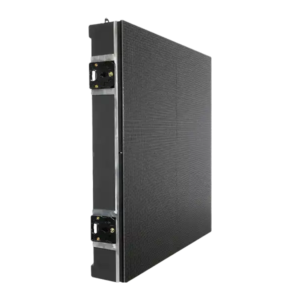
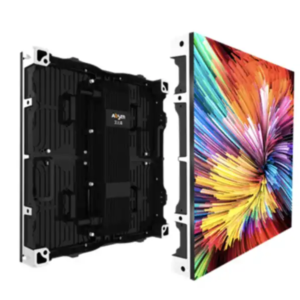
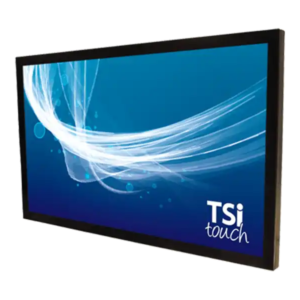
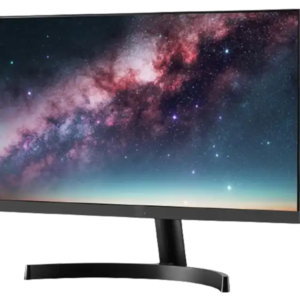
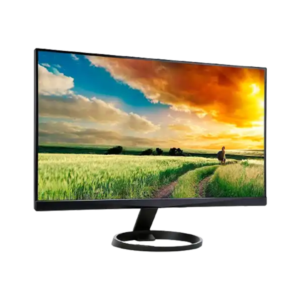
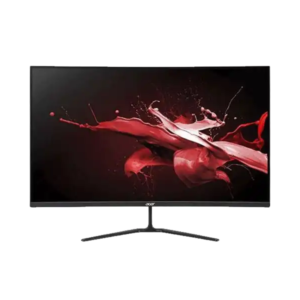
Large LED walls can be effective for plenary sessions, but many policy events favor high-brightness monitors or modest LED canvases to maintain visual neutrality.
Use LED displays when:
- Messaging must be visible across large rooms
- Ambient light is uncontrollable
- Content is static or controlled loops
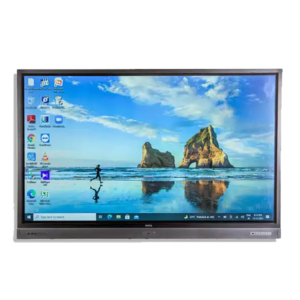
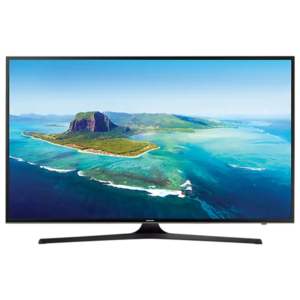
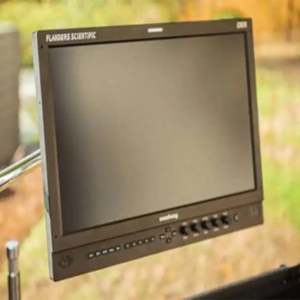
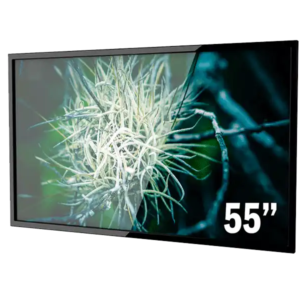
Use monitors when:
- Multiple speakers present sequential content
- Content security is a concern
- The room size favors clarity over scale
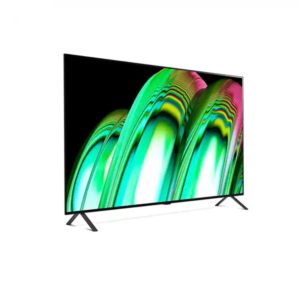
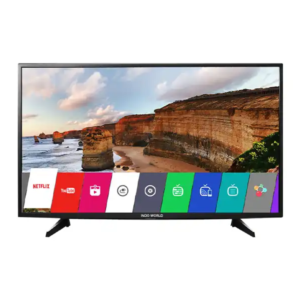
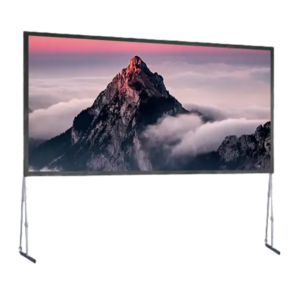
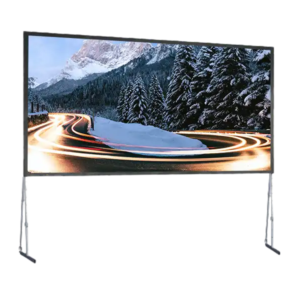
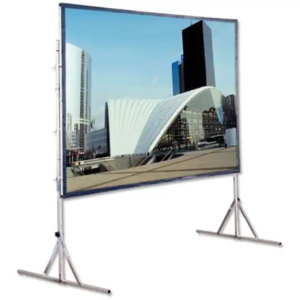
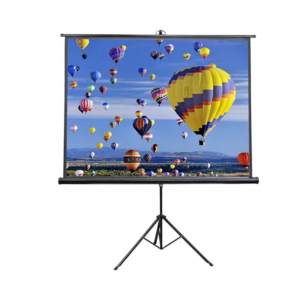
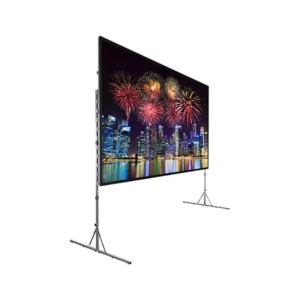
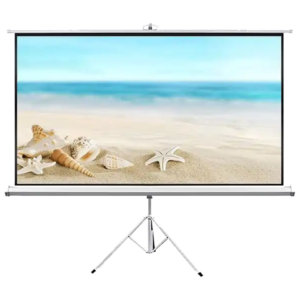
Learn more about event display solutions for conferences
Led Video Wall Rental
Height, Sightlines, and Visual Control
Screens should be mounted above seated eye level but below truss-heavy sightlines. The goal is authority without dominance.
Avoid:
- Floor-mounted consumer TVs
- Oversized LED canvases in breakout rooms
- Distracting motion graphics
Audio Planning for Policy Events
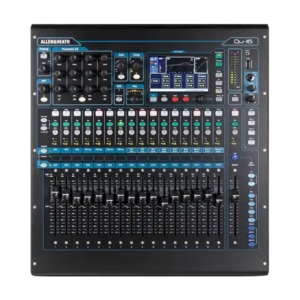
Audio clarity matters more than volume.
Recommended setup:
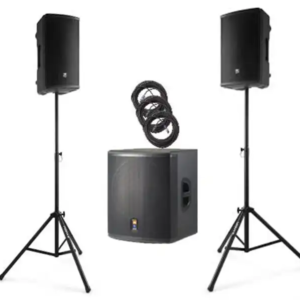
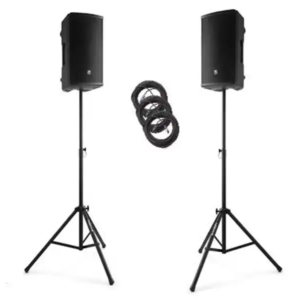
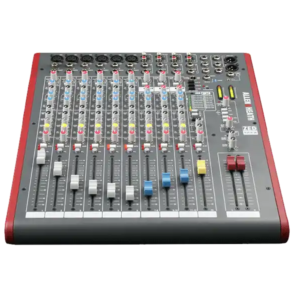
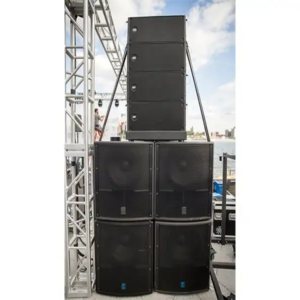
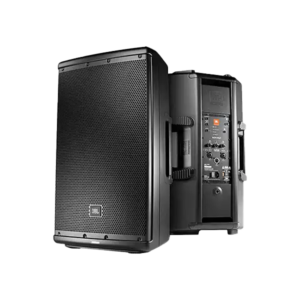
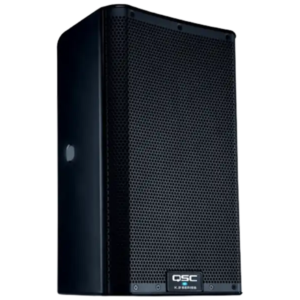
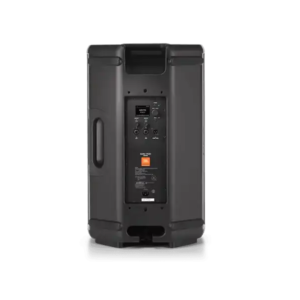
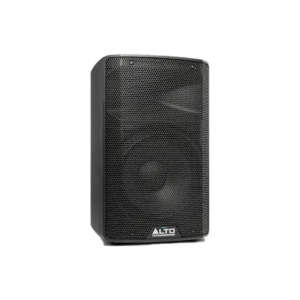
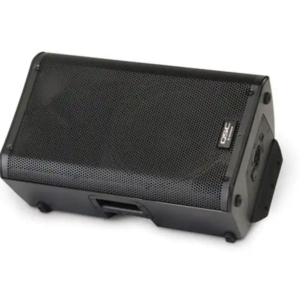
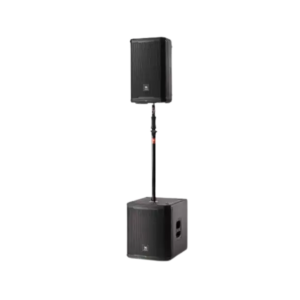
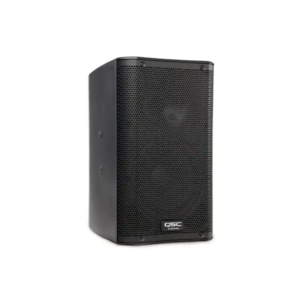
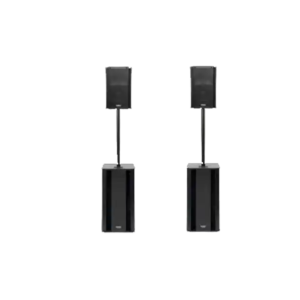
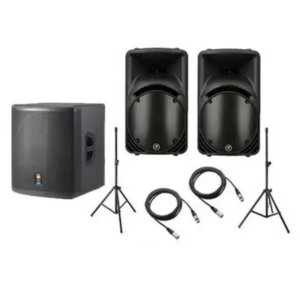
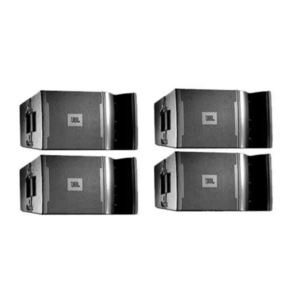
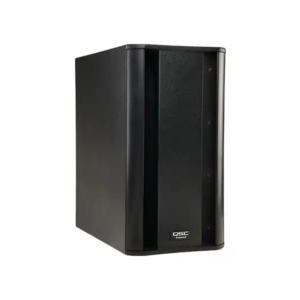
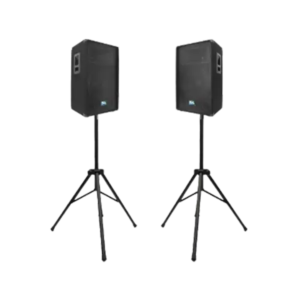
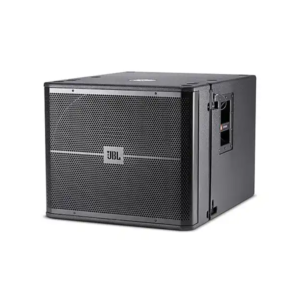
- Two directional speakers
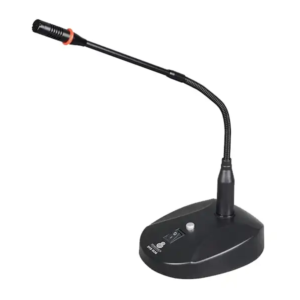
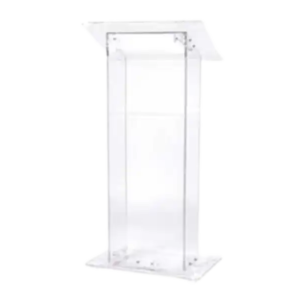
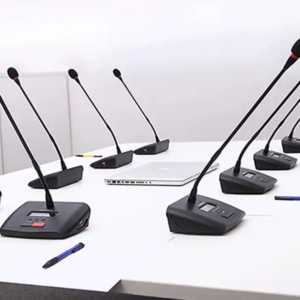
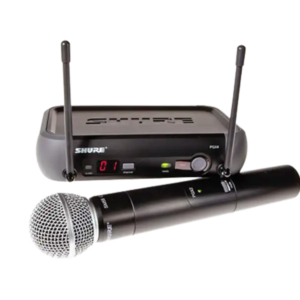
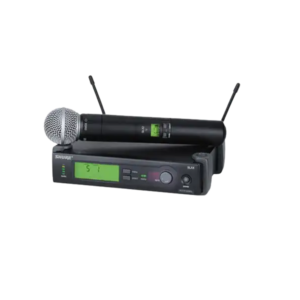
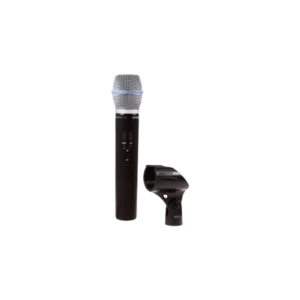
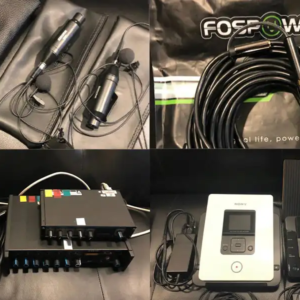
- Wired podium microphones when possible
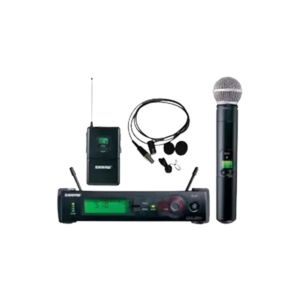
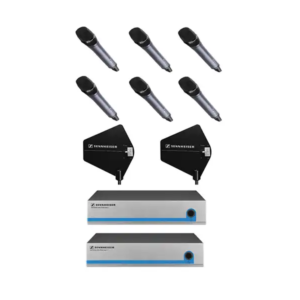
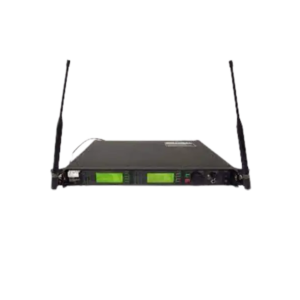
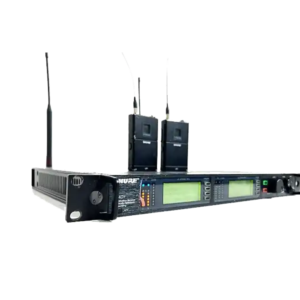
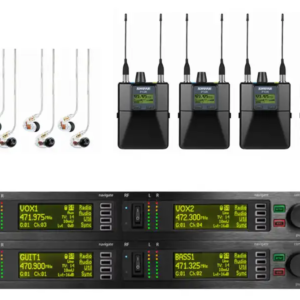
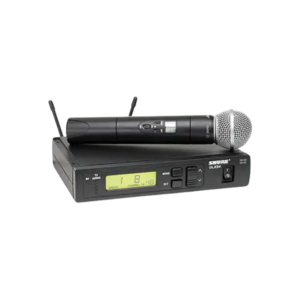
- Wireless handhelds with frequency coordination
- Minimal EQ adjustments to preserve voice tone
This approach prevents aisle bleed and avoids interference in multi-room venues.
Power and Redundancy Planning
Government venues often restrict last-minute changes.
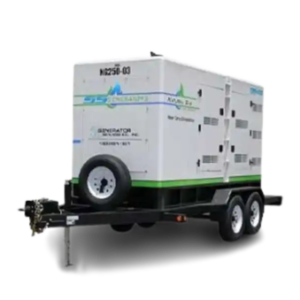
Always plan power conservatively.
Typical needs:
- Displays: 10–15 amps
- Audio: 3–5 amps
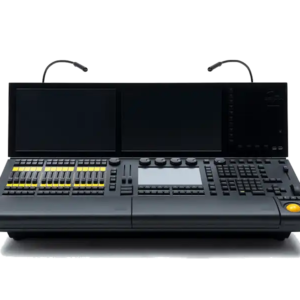
- Control equipment: 2–3 amps
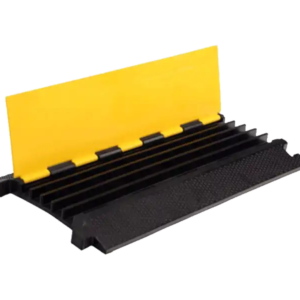
Always request dedicated circuits and avoid daisy chaining.
Content Security and Playback Control
Use:
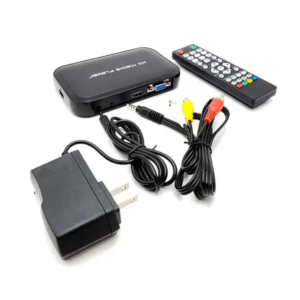
- Local playback devices
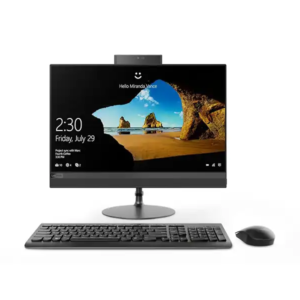
- Locked presentation laptops
- No cloud-dependent feeds
- Backup USBs with mirrored content
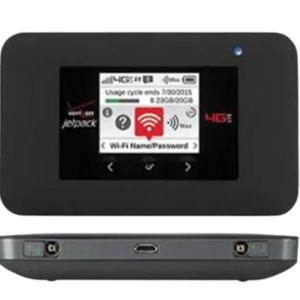
Avoid relying on venue Wi-Fi for mission-critical playback.
If you’re planning a government or policy event and need AV support in Washington, DC, work with a team experienced in secure, compliant environments.
Conclusion
Government and policy events require AV systems that prioritize reliability, clarity, and security over unnecessary complexity. From controlled display strategies and professional audio design to secure content playback and redundant power planning, every component should support clear communication while meeting the unique requirements of government environments. By working with an experienced AV partner, event planners can deliver professional, compliant, and dependable event experiences that keep the focus on the message—not the technology.
Frequently Asked Questions
Why do government and policy events require specialized AV planning?
Government events often have stricter security, compliance, and operational requirements. AV systems must provide reliable performance while protecting sensitive content and supporting clear communication.
Are LED video walls suitable for government events?
Yes, when used appropriately. LED video walls are effective for large plenary sessions and venues with high ambient light, while commercial monitors may be a better choice for smaller meetings or presentations requiring a more neutral visual environment.
How can event planners improve audio quality at policy events?
Using professional microphones, directional speakers, proper frequency coordination, and balanced audio levels helps ensure speech remains clear without causing interference or excessive sound spill into adjacent spaces.
Why is local content playback recommended?
Local playback reduces dependence on internet connectivity, improves reliability, and helps protect sensitive presentation materials by minimizing reliance on cloud-based services during the event.
What redundancy measures should be included in government event AV planning?
Backup presentation devices, duplicate media files, dedicated power circuits, redundant signal paths, and spare AV equipment help minimize the risk of technical disruptions during critical presentations.