How to Design a Trade Show Booth AV Layout That Guides Attendee Flow
Most trade show booths fail for one reason: they don’t control movement. Attendees hesitate, block entrances, or walk past without understanding where to engage. AV layout is the difference between a booth that feels intuitive and one that feels chaotic.
This guide explains how to design AV layouts that guide attendee flow deliberately, using screens, audio, and interaction zones to create momentum instead of congestion.
Why Attendee Flow Matters More Than Booth Size
A large booth with poor flow performs worse than a smaller booth with clear visual hierarchy. AV elements should act as directional cues, not distractions.
Common flow problems include:
- Screens facing inward instead of toward aisles
- Audio pulling attention away from entry points
- Touchscreens placed where they block traffic
Use AV as Visual Wayfinding
Screens should not just display content. They should signal where to look next.
Primary Attraction Zone
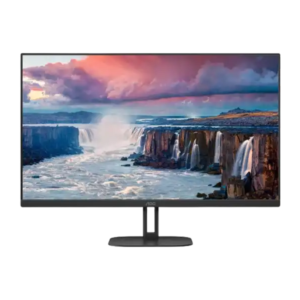
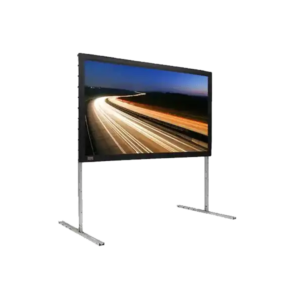
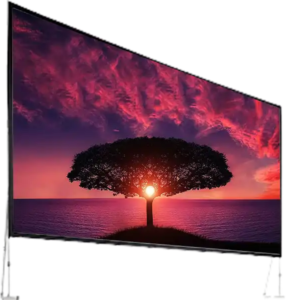
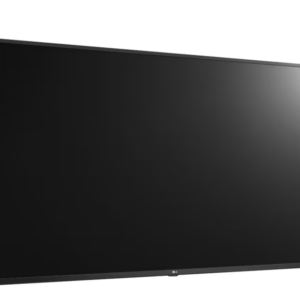
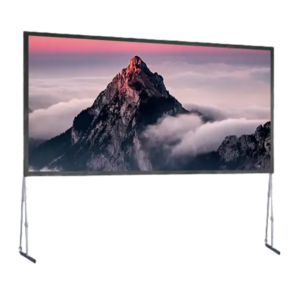
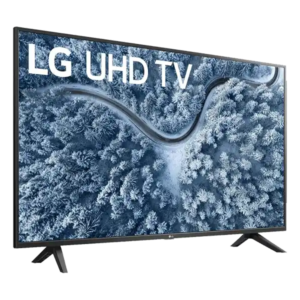
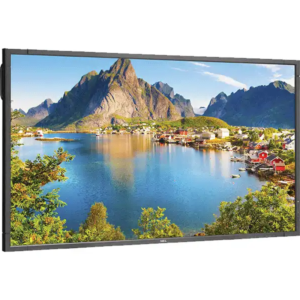
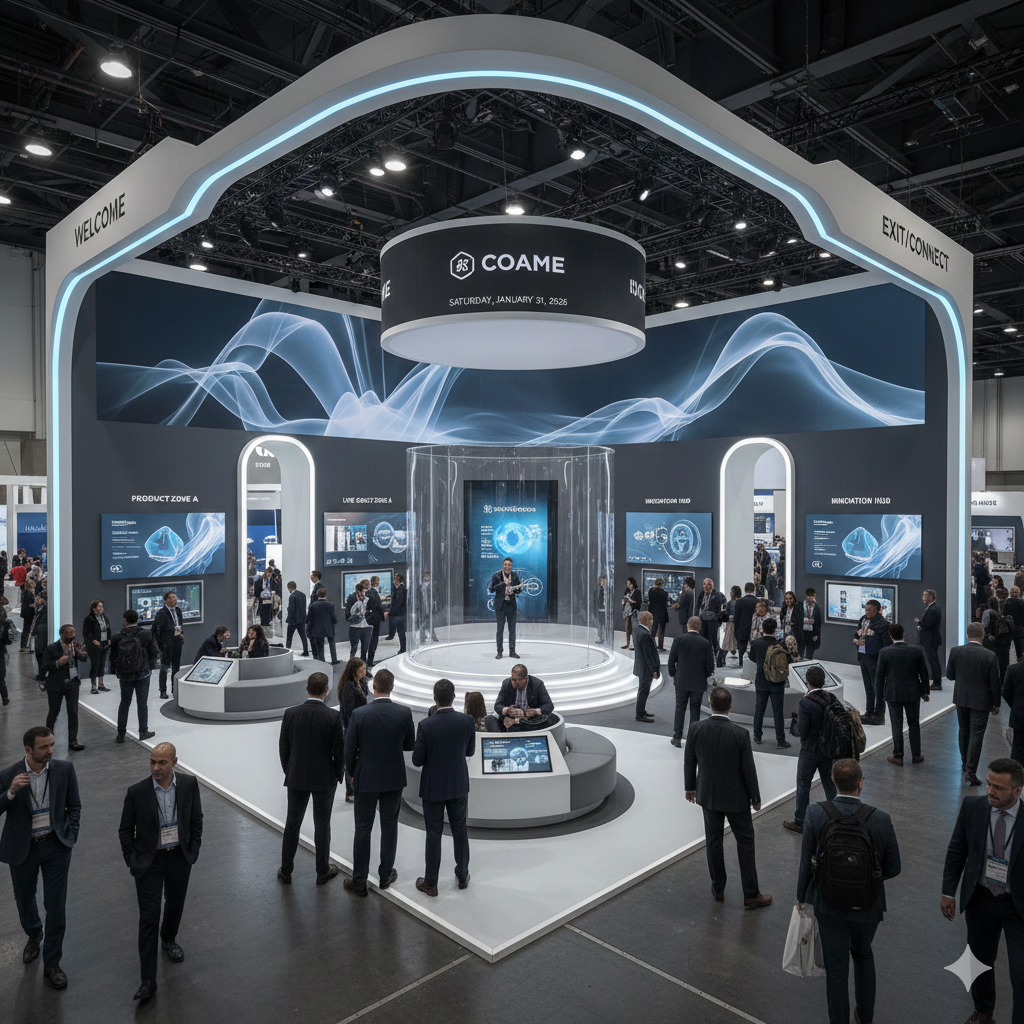
Your largest or brightest screen belongs on the aisle-facing edge of the booth. This pulls attention from passersby before they decide to stop.
Engagement Zone
Secondary displays or touchscreens belong deeper in the booth. This creates a natural transition from interest to interaction.
Audio Should Support, Not Compete
Audio should reinforce engagement zones, not bleed into aisles.
Best practice:
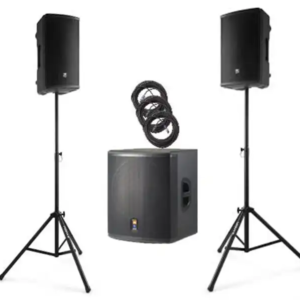
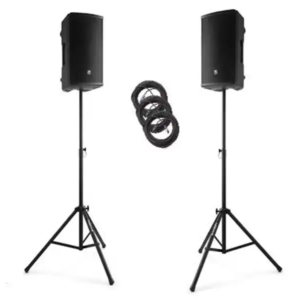
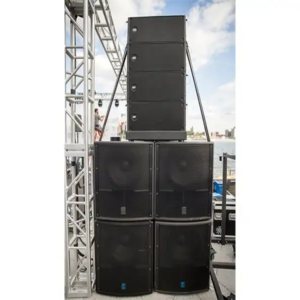
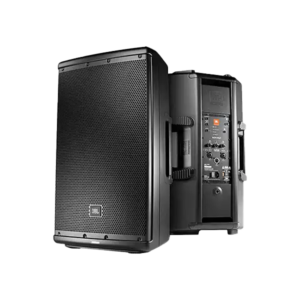
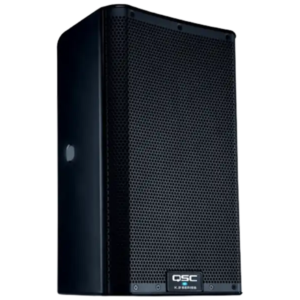
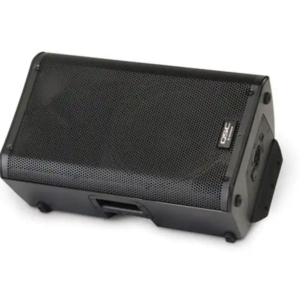
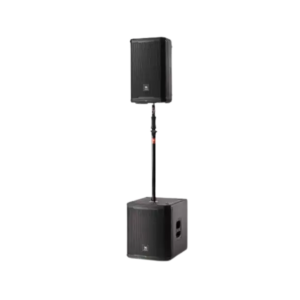
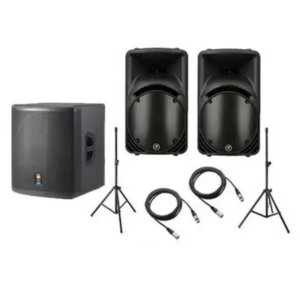
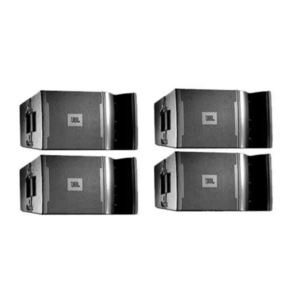
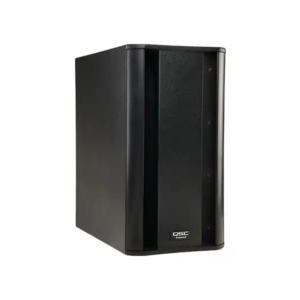
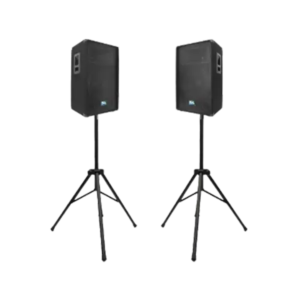
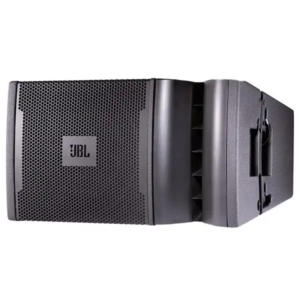
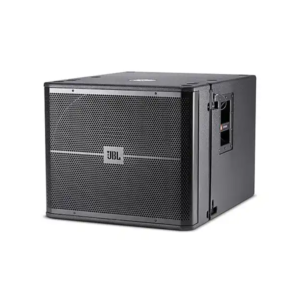
- Directional speakers aimed inward
- Volume calibrated for conversation, not performance
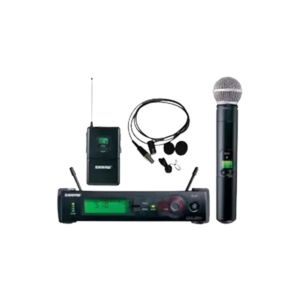
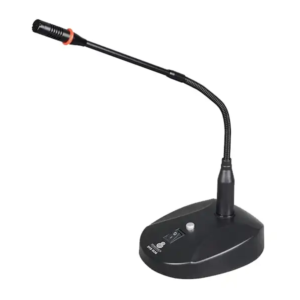
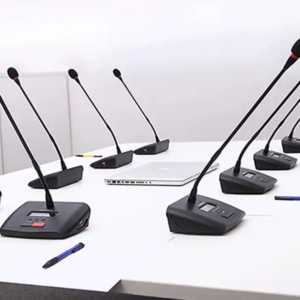
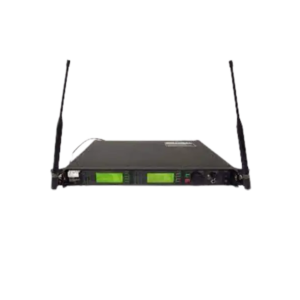
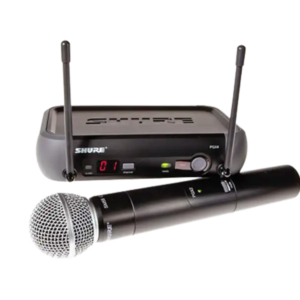
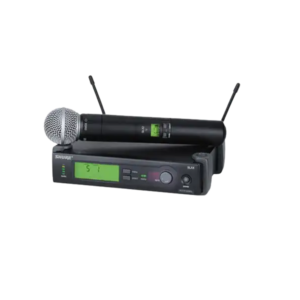
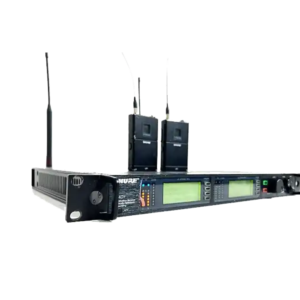
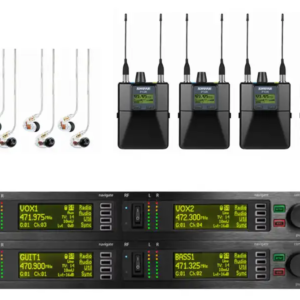
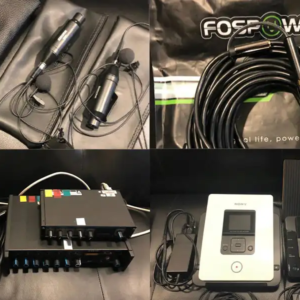
- Wireless mics reserved for scheduled moments
Contextual link recommendation:
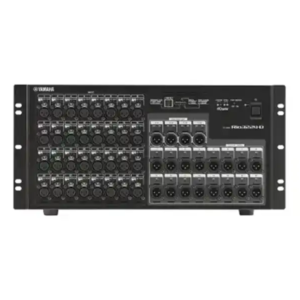
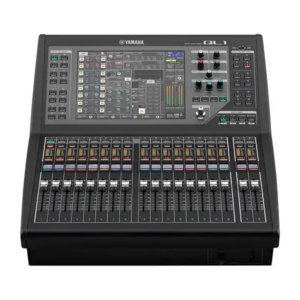
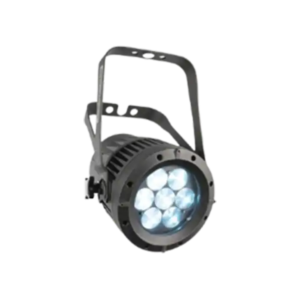
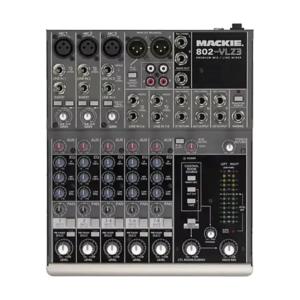
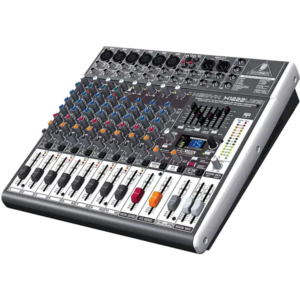
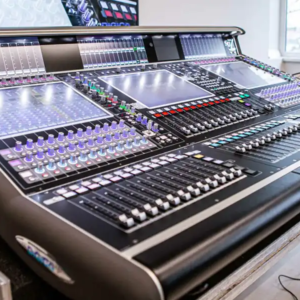
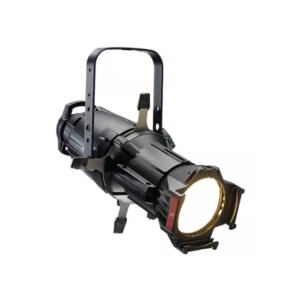
professional AV systems for trade shows
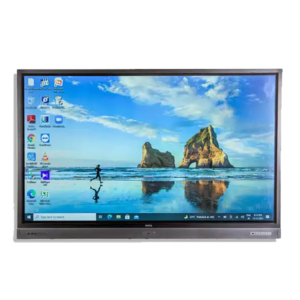
Touchscreens as Flow Anchors
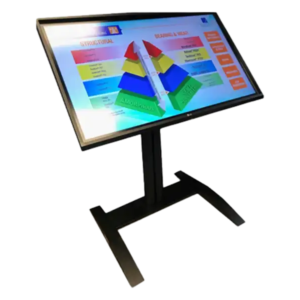
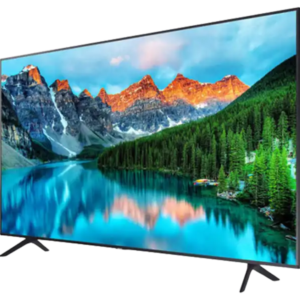
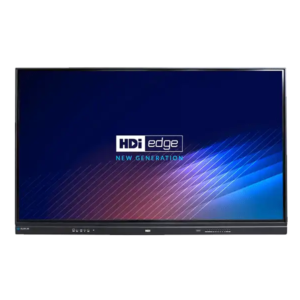
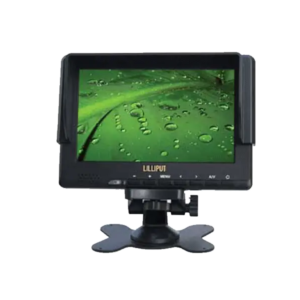
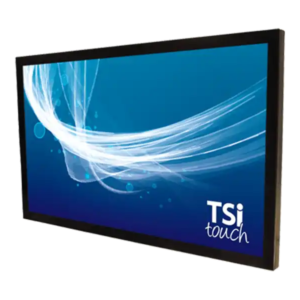
Touchscreens are powerful when used intentionally.
Place Screens Parallel to Traffic
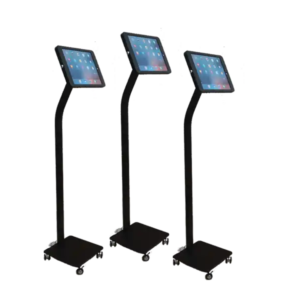
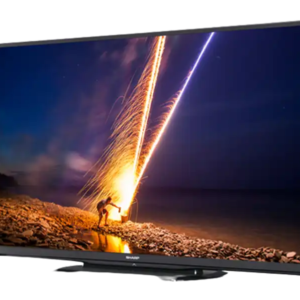
Angled or perpendicular touchscreens invite engagement without blocking movement.
Limit Dwell Time
Content should allow meaningful interaction in under two minutes to avoid backups.
Contextual link recommendation:
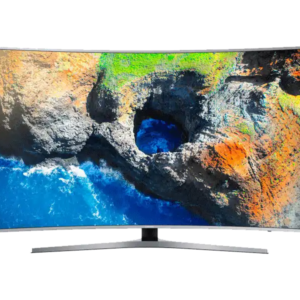
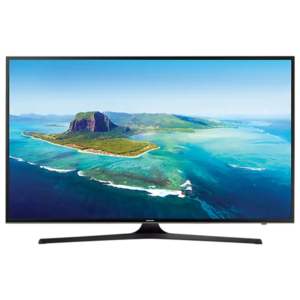
touchscreen monitor rentals for events
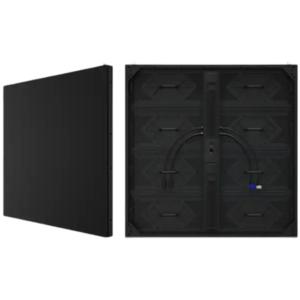
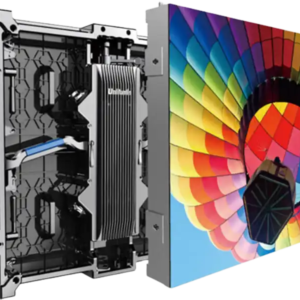
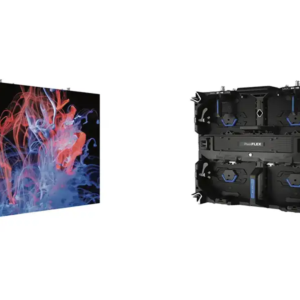
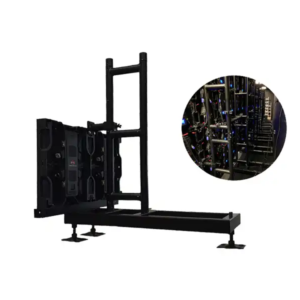
LED Walls as Directional Backdrops
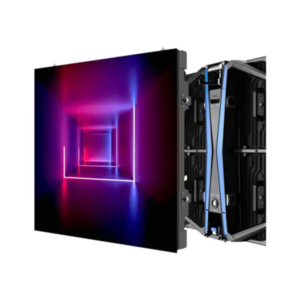
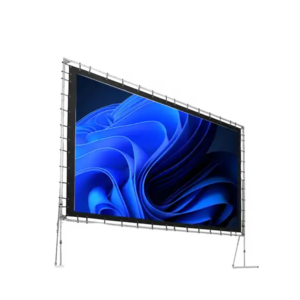
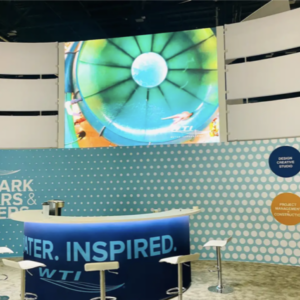
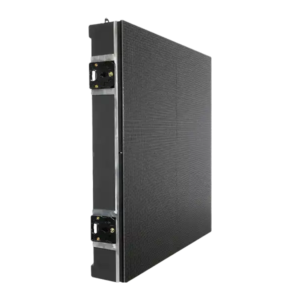
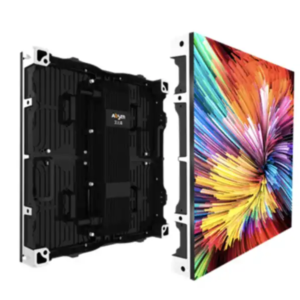
LED walls work best when they frame the experience, not dominate it.
Use LED to:
- Establish brand presence
- Define the back boundary of the booth
- Create visual depth without physical barriers
Contextual link recommendation:
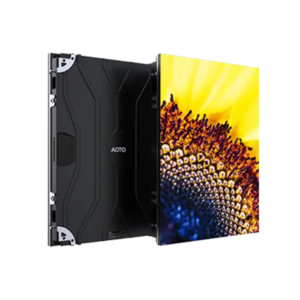
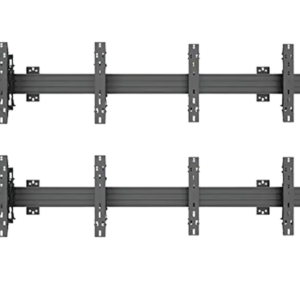
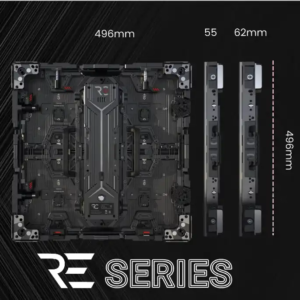
Modular LED video wall systems
Final Planning Checklist
- Can someone understand where to stand within 3 seconds?
- Does AV guide them forward, not sideways?
- Are conversations protected from aisle noise?
If you’re planning a trade show booth and want an AV layout that actually converts traffic into conversations, request a layout consult with AVR Expos.
Conclusion
An effective trade show booth AV layout does more than showcase technology—it guides visitors through a purposeful journey. By strategically positioning displays, touchscreens, audio systems, and LED walls, you can attract attention, encourage meaningful interactions, and keep traffic flowing naturally throughout your booth. Thoughtful AV planning not only improves the attendee experience but also increases engagement, supports lead generation, and helps your brand stand out in a competitive exhibit hall.
Frequently Asked Questions
Why is booth layout important at a trade show?
A well-planned booth layout improves visitor flow, reduces congestion, encourages engagement, and helps attendees easily understand where to interact with your team and displays.
Where should the main display be placed in a trade show booth?
The primary display should face the main aisle or high-traffic area to capture attention quickly and encourage visitors to enter the booth.
How can touchscreens improve attendee engagement?
Touchscreens allow visitors to explore products, browse digital catalogs, view demonstrations, and access information at their own pace while supporting lead generation and interactive experiences.
What role does audio play in booth design?
Professional audio reinforces presentations and demonstrations while maintaining comfortable sound levels. Directional speakers help focus sound within the booth without disturbing neighboring exhibitors.
How do LED video walls improve trade show booth design?
LED video walls create a strong visual focal point, enhance brand visibility, display dynamic content, and define the booth space without adding physical barriers.