How to Choose Between Renting vs Buying AV Equipment for Events
When planning an event, one of the first major decisions is whether to rent or purchase audio-visual equipment. On paper, buying seems like the more cost-effective long-term solution. In practice, it rarely works that way.
AV equipment is not static. Technology evolves, event needs change, and logistics become more complex than most teams anticipate. For many organizations, renting AV equipment provides better performance, more flexibility, and fewer long-term costs.
Understanding when to rent versus when to buy is less about price and more about strategy.
The Hidden Costs of Owning AV Equipment
Purchasing AV equipment introduces ongoing costs that extend far beyond the initial investment.
These include:
- Storage and warehousing
- Transportation between events
- Maintenance and repairs
- Firmware and compatibility updates
- Labor for setup, testing, and operation
Unlike static assets, AV equipment requires constant upkeep to remain reliable and relevant.
Why Renting Provides More Flexibility
Every event is different. A conference in a ballroom requires a different setup than a trade show booth or product launch.
Renting allows you to:
- Scale equipment up or down based on event size
- Choose the right technology for each environment
- Avoid being locked into outdated gear
- Access higher-end systems without capital investment
This flexibility is especially important for organizations hosting multiple types of events throughout the year.
Access to Professional-Grade Equipment
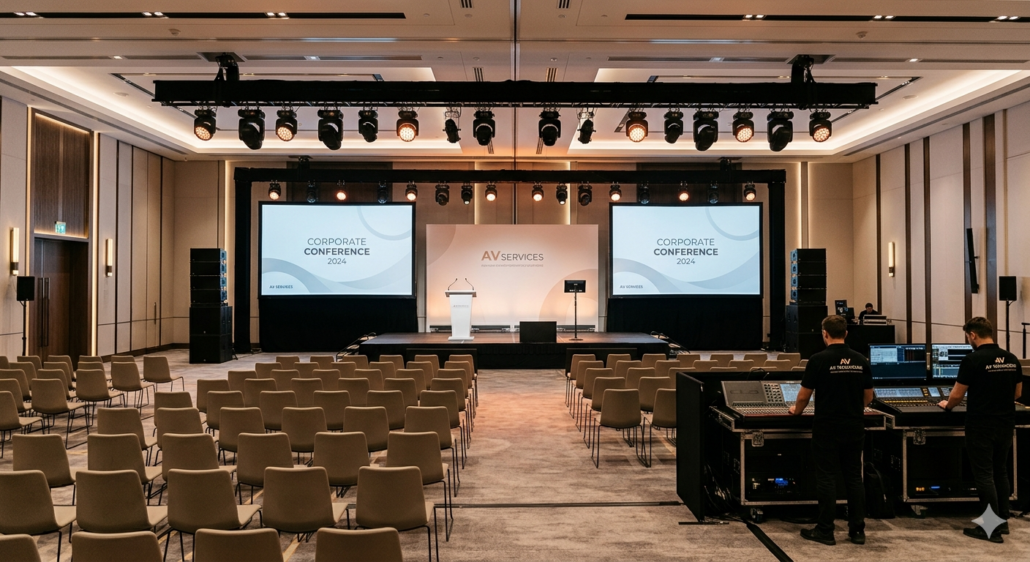
Rental providers maintain current inventory that is designed specifically for live event use.
That includes:
- High-brightness displays
- Commercial-grade audio systems
- Modular LED video walls
- Event-ready processors and switching systems
Anchor text: professional AV rental solutions Buying equipment often results in compromises, while renting gives access to the right tools for each job.
Cost Efficiency Over Time
While buying may appear cheaper upfront, total cost of ownership typically exceeds rental costs over time.
Consider:
- Depreciation of equipment
- Replacement cycles
- Storage overhead
- Labor requirements
Renting converts these into predictable event-based expenses.
When Buying Might Make Sense
There are limited scenarios where purchasing is viable:
- Repetitive use of identical setups
- Dedicated internal AV teams
- Controlled environments with minimal variation
Even then, most organizations still supplement owned equipment with rentals.
Scaling Across Multiple Events
Companies hosting events in multiple locations benefit significantly from rental models.
Instead of shipping equipment across the country, AV can be deployed locally while maintaining consistency.
Conclusion
Choosing between renting and buying AV equipment depends on your event goals, budget, and long-term needs. While purchasing may suit organizations with dedicated AV teams and consistent in-house setups, renting offers greater flexibility, access to the latest technology, predictable costs, and professional support. For most conferences, trade shows, corporate meetings, and product launches, renting provides a scalable solution that eliminates maintenance concerns and ensures every event is equipped with the right technology for success.
Frequently Asked Questions
1. Is it better to rent or buy AV equipment for events?
For most organizations, renting is the better option because it offers flexibility, access to the latest technology, lower upfront costs, and professional technical support without long-term maintenance responsibilities.
2. What are the hidden costs of owning AV equipment?
Owning AV equipment involves ongoing expenses such as storage, transportation, maintenance, repairs, software and firmware updates, equipment depreciation, and replacement over time.
3. Why do event planners prefer renting AV equipment?
Renting allows planners to select the right equipment for each event, scale systems based on venue size, avoid outdated technology, and receive professional setup and on-site support.
4. When does buying AV equipment make sense?
Purchasing may be practical for organizations that use the same equipment regularly in a permanent location, have an experienced in-house AV team, and can manage maintenance and storage.
5. Does renting provide access to newer technology?
Yes. AV rental providers regularly update their inventory, giving clients access to the latest LED video walls, professional audio systems, displays, lighting, and event production equipment.