How to Design Secure, Visually Neutral AV Setups for Policy and Government Events in Washington DC
Events in Washington DC operate under a different set of rules. Policy briefings, government conferences, and association summits demand technical precision, message discipline, and visual neutrality. Flashy displays, overly branded environments, or uncontrolled content can undermine credibility or raise compliance concerns.
This is why AV design for DC events focuses less on spectacle and more on control, reliability, and clarity. A well-planned AV setup supports speakers and messaging without becoming the story itself.
Why Visual Neutrality Matters in DC Event Production
Message Comes Before Design
In policy and government environments, the goal is clarity.
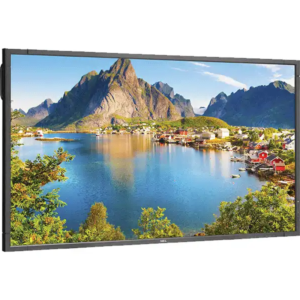
Displays must support information delivery, not compete with it.
Consistency Across Sessions
Events often span multiple rooms and formats. Visual inconsistency introduces risk and confusion.
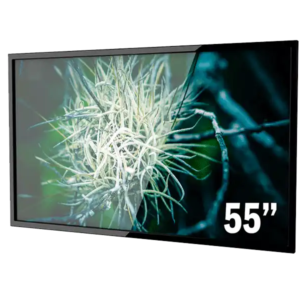
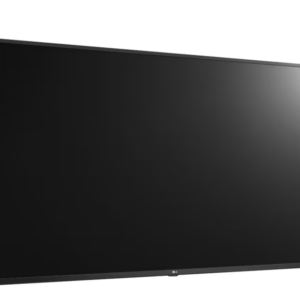
Designing Secure Display Environments
Controlled Content Inputs
AV systems should limit input sources to approved devices only.
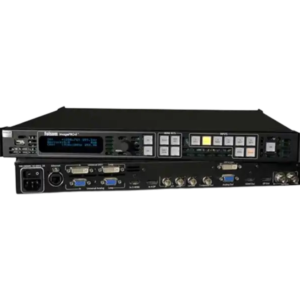
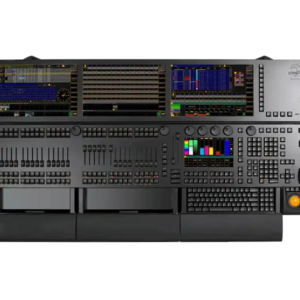
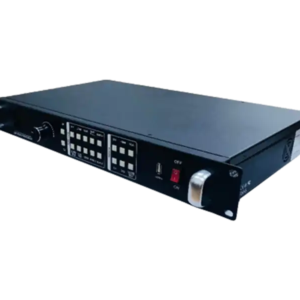
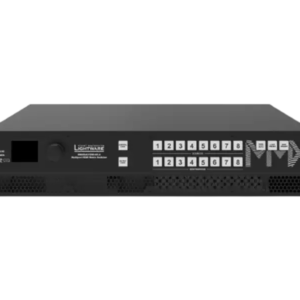
Centralized Content Management
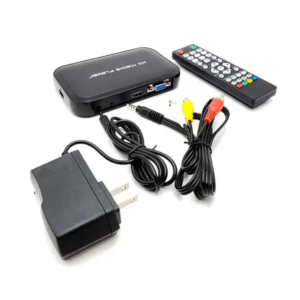
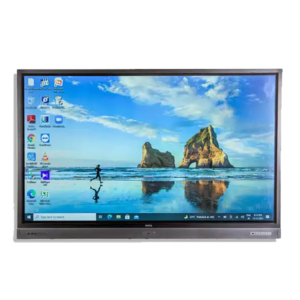
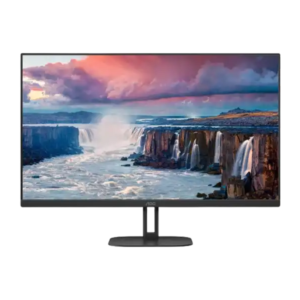
Using centralized playback ensures all rooms display approved, synchronized content.
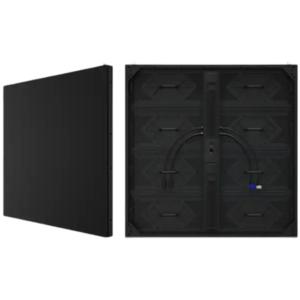
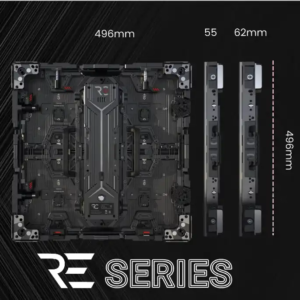
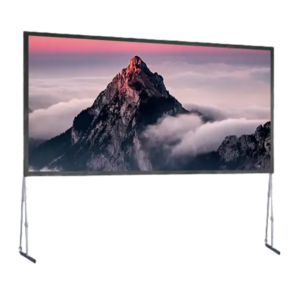
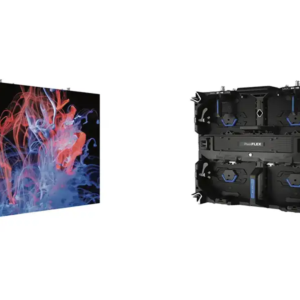
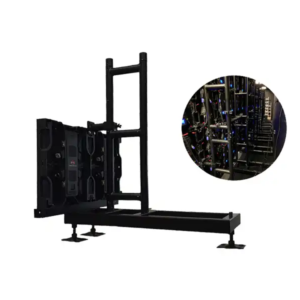
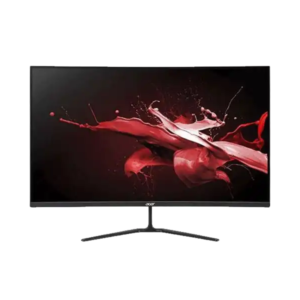
Why LED Walls Are Increasingly Used
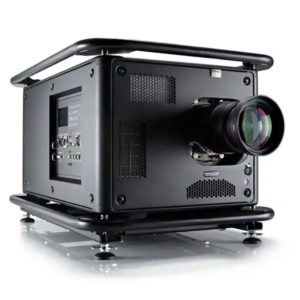
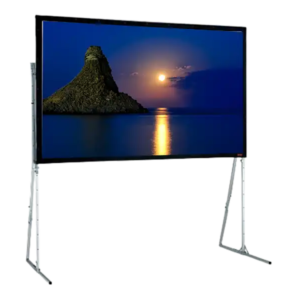
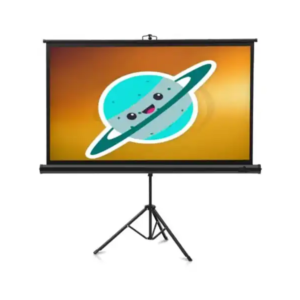
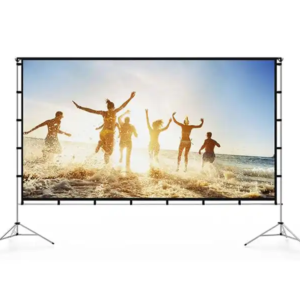
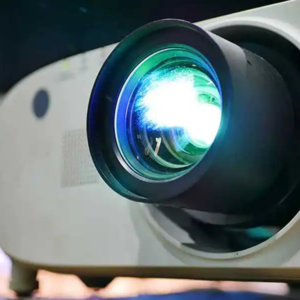
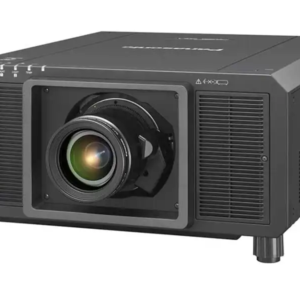
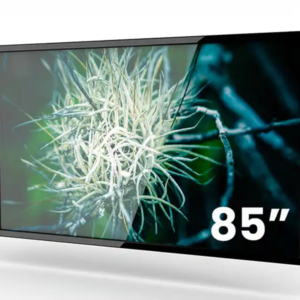
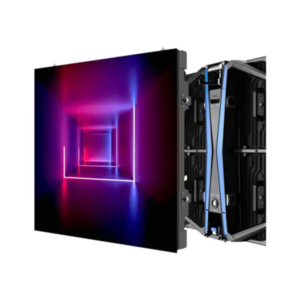
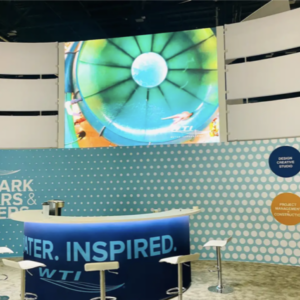
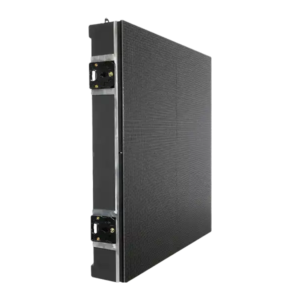
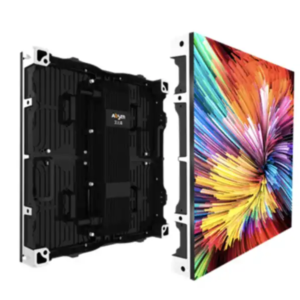
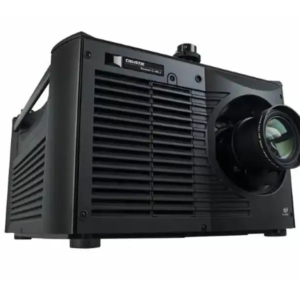
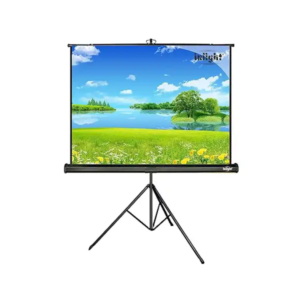
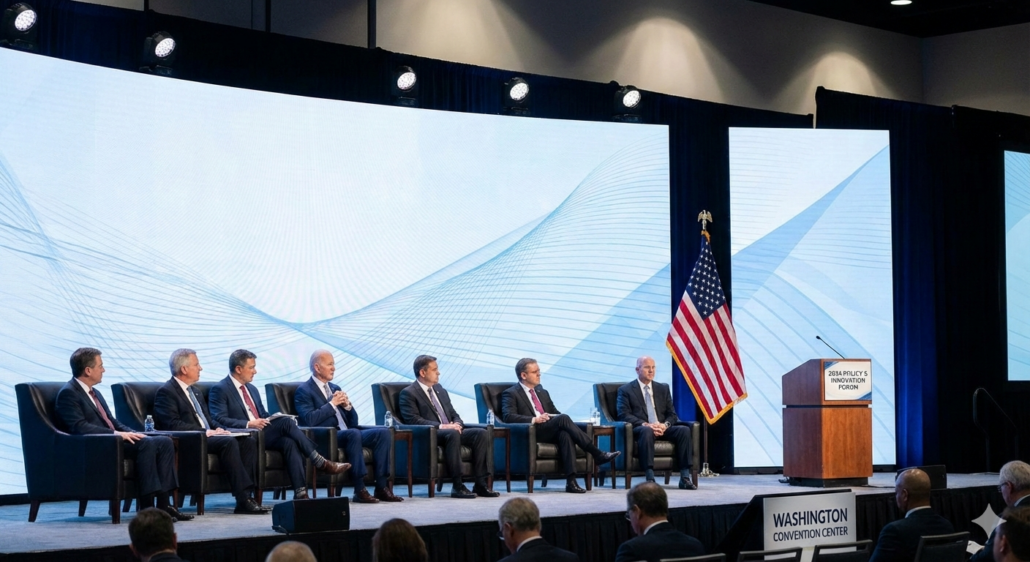
LED walls reduce reliance on projection alignment, eliminate ambient-light issues, and allow precise brightness control without visual noise.
Audio Design for Policy and Government Events
Clarity Over Coverage
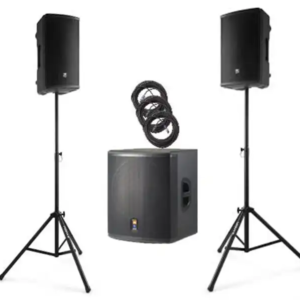
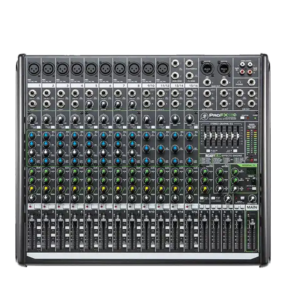
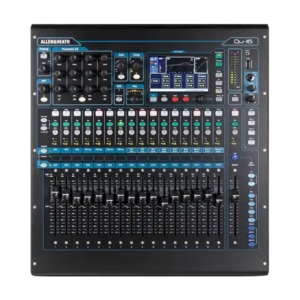
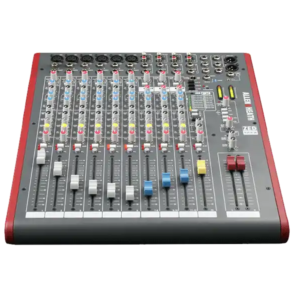
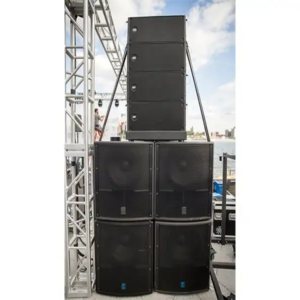
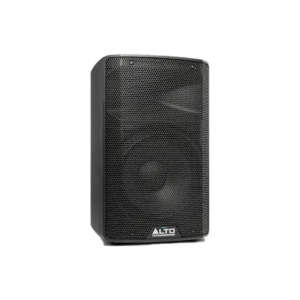
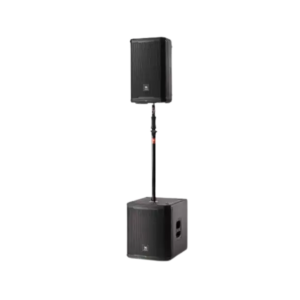
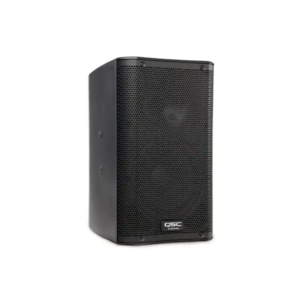
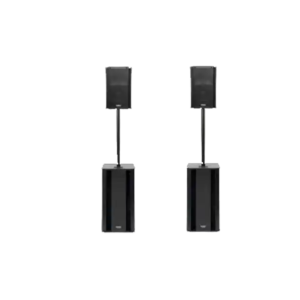
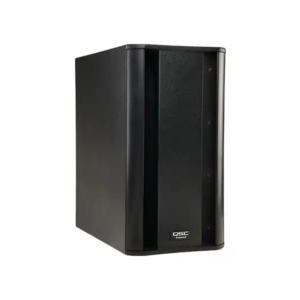
Audio systems should be tuned for speech intelligibility, not volume.
Redundancy and Monitoring
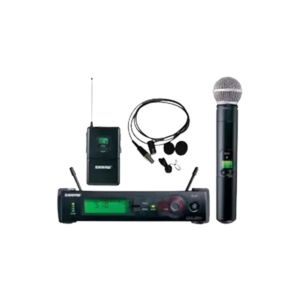
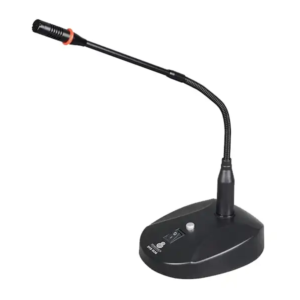
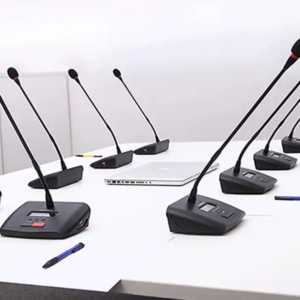
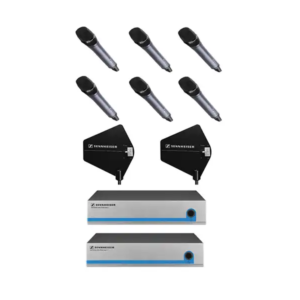
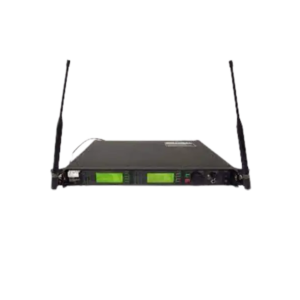
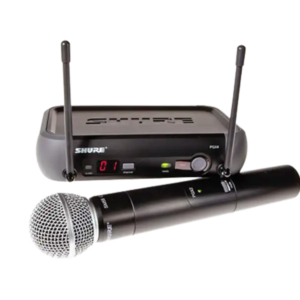
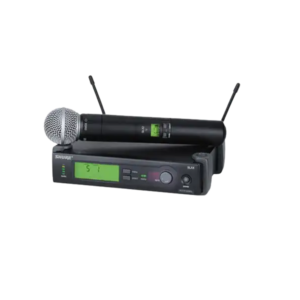
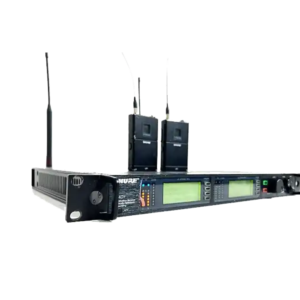
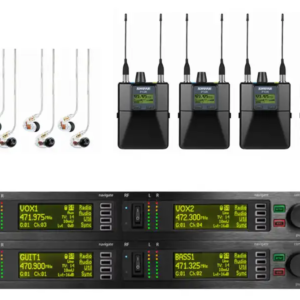
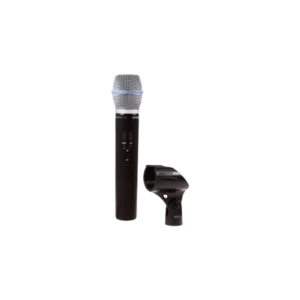
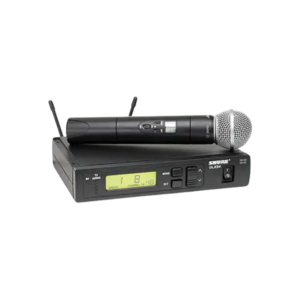
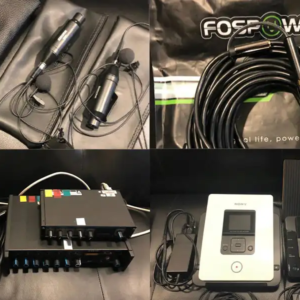
Backup microphones and real-time monitoring prevent disruptions during high-visibility sessions.
Planning for Compliance and Last-Minute Changes
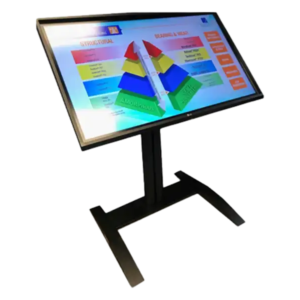
DC events frequently involve late agenda changes. AV systems should allow instant updates without reprinting signage or reconfiguring rooms.
If you’re planning a policy or government event in Washington DC, AVR Expos designs secure, visually disciplined AV environments built for compliance and clarity.
Conclusion
Designing AV systems for policy and government events requires a careful balance of security, professionalism, and reliability. A secure, visually neutral AV setup helps keep the audience focused on the message while ensuring presentations remain compliant, consistent, and free from unnecessary distractions. From controlled content management and speech-focused audio to flexible LED displays, every element should support clear communication and operational efficiency.
Whether hosting a policy briefing, government conference, or association summit in Washington DC, investing in a well-planned AV system reduces technical risks and allows organizers to adapt quickly to schedule changes. AVR Expos delivers secure, visually disciplined AV solutions designed to meet the unique requirements of government and policy-focused events.
Frequently Asked Questions
Why is visual neutrality important for government and policy events?
Visual neutrality ensures that presentations remain professional and focused on the message rather than distracting graphics or excessive branding. This approach supports credibility and aligns with the expectations of policy and government audiences.
How do secure AV systems protect event content?
Secure AV systems use controlled input sources, centralized content management, and restricted access to ensure that only approved presentations, videos, and media are displayed during the event.
Why are LED walls preferred for policy and government events?
LED walls provide clear, bright visuals in different lighting conditions without requiring projector alignment. They also allow quick content updates while maintaining a clean and professional appearance.
What audio features are essential for government conferences?
Government events benefit from speech-optimized audio systems, backup microphones, and real-time monitoring to ensure every speaker is heard clearly and to minimize the risk of technical interruptions.
How can AV systems handle last-minute agenda changes?
Modern AV systems allow organizers to update digital signage, presentation content, and room displays instantly through centralized control, eliminating the need to reprint materials or reconfigure equipment before sessions begin.